
Tracking recovery beyond the clinic.
StreamSync is a digital health mobile application focused on understanding urinary and recovery outcomes after bladder outlet procedures. It combines passive home-based monitoring with secure research infrastructure so researchers can study what recovery looks like in daily life, not just during office visits.
 Built with Stanford Biodesign to translate digital health research into practical clinical insight.
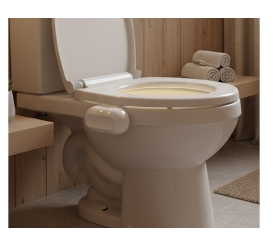
What StreamSync is
Digital health mobile application
StreamSync is a digital health mobile application designed to study urinary health outcomes using a combination of passive monitoring and structured follow-through over time. The goal is to create a clearer picture of how recovery unfolds outside the hospital and clinic.
What StreamSync is built to do
StreamSync is designed to track recovery, predict success, and preserve function by observing trends in home-based urinary data over time. That gives researchers a better view of symptom change, adherence patterns, and whether meaningful improvement appears in daily life.
Built with Stanford Biodesign
The platform was shaped with Stanford Biodesign to bridge clinical insight, patient-centered design, and deployable digital health research workflows.
Simple enrollment for eligible participants
Enrollment is intended to be straightforward. The research team reviews eligibility, explains the study, and guides participants through setup so data collection can begin with minimal friction.
Contact the study team
Reach out through your clinical research contact or designated study coordinator to confirm eligibility.
Review consent and study details
Participants receive information about the study, what data is collected, and how the research platform will be used.
Complete setup
Once enrolled, participants create their account, connect the required tools, and finish the onboarding flow with the study team.
Begin research follow-through
After setup, the study can monitor recovery trends over time while researchers review approved data through the dashboard.
Why this research matters
Capture recovery patterns outside formal appointments so researchers can study what changes actually look like at home.
Build a more complete view of urinary and post-procedure recovery using longitudinal data instead of isolated snapshots.
Create a reusable model for secure, participant-friendly research platforms that can support future studies and care pathways.